The Best Smart Home Gadgets for a Simple, Connected Home

The best smart home gadgets can save time, add comfort, and improve security. The challenge is choosing devices that are reliable, easy to use, and work together. This guide walks through the key categories, what matters in each, and how to pick the right products for your home and budget.
Start Here: How to Choose the Best Smart Home Gadgets
Before you buy anything, decide what problem you want to solve first. Do you want better security, lower energy use, or just more comfort and convenience? Clear goals make smart shopping much easier.
Next, think about which ecosystem you prefer: Amazon Alexa, Google Home, Apple Home, or a mix. Many of the best smart home gadgets support more than one platform, but checking this early avoids frustration later.
Finally, check your Wi‑Fi coverage and router age. Smart devices depend on a stable network. If your Wi‑Fi is weak in some rooms, consider a mesh system before adding many gadgets.
Smart Speakers and Displays: The Brain of Your Smart Home
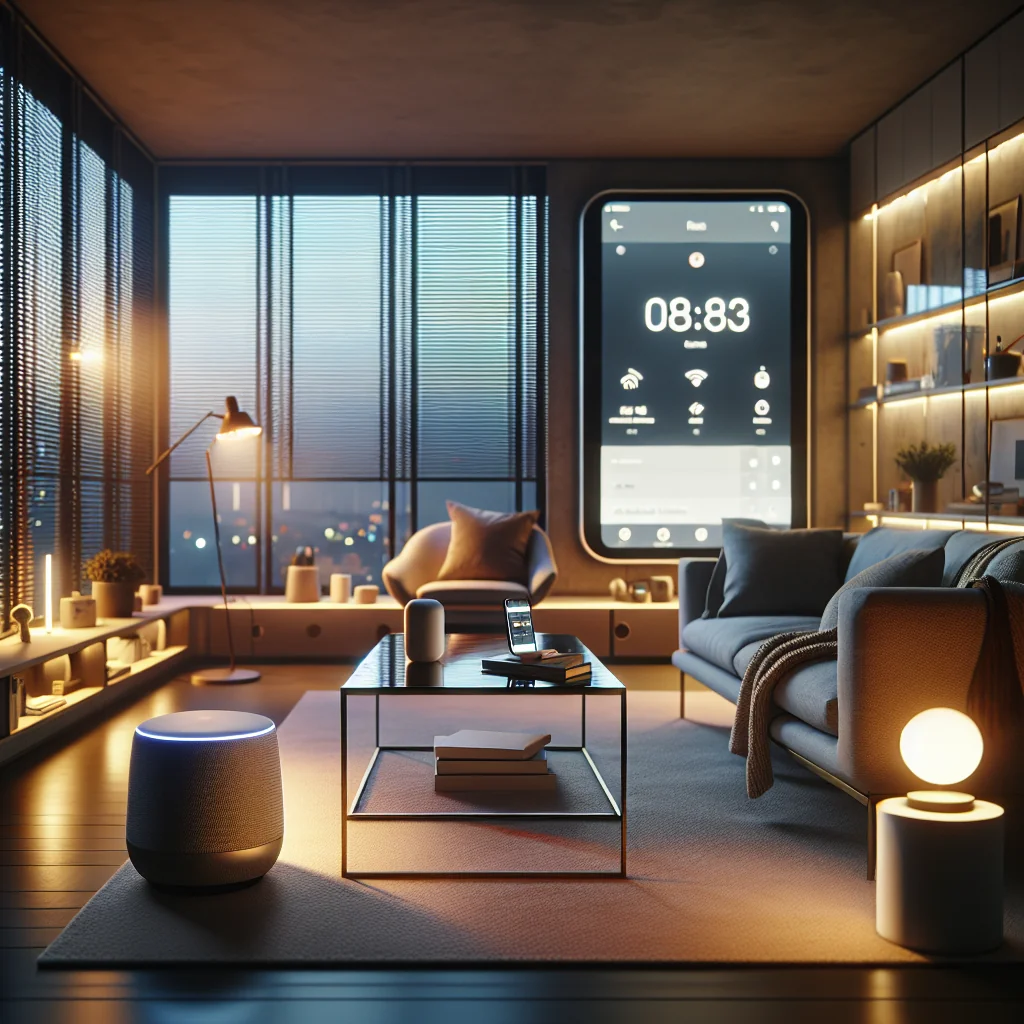
Smart speakers and smart displays act as the control center for other devices. They let you use voice commands, routines, and quick controls without opening an app every time.
Popular options include compact speakers for bedrooms, larger speakers for living rooms, and smart displays with screens for kitchens or desks. Most support music streaming, timers, reminders, and control of lights, plugs, and more.
For privacy, look for a physical mic mute button and clear settings to delete voice history. If you are unsure about always‑listening devices, place them in shared spaces, not bedrooms.
Smart Lighting: The Easiest Upgrade for Any Home
Smart lighting is often the first upgrade people try, and for good reason. It is simple to install, fun to use, and can save energy by turning lights off automatically.
You can choose between smart bulbs that screw into existing fixtures or smart switches that control regular bulbs. Bulbs are faster to start with, while switches work better for large rooms and homes with many fixtures.
Look for features like dimming, color temperature control, and support for your preferred ecosystem. If you rent, bulbs and plug‑in lamps are usually the easiest option, since you can take them with you.
Smart Plugs: Cheap, Flexible Control for Old Devices
Smart plugs sit between the outlet and your device, giving you app and voice control. They are ideal for lamps, fans, coffee makers, and basic appliances that turn on when powered.
Most smart plugs let you set schedules, timers, and simple automations. You can, for example, have a lamp turn on at sunset or a fan switch off at night.
Check the plug’s size and power rating. A bulky plug may block the second socket, and high‑draw devices like heaters or air conditioners need plugs rated for higher loads.
Smart Thermostats: Comfort and Energy Savings
Smart thermostats help control heating and cooling more precisely. Over time, that can mean better comfort and lower bills, especially in regions with big temperature swings.
Some models learn your patterns and adjust automatically. Others rely on schedules and sensors in different rooms. Both styles can work well if you use the features consistently.
Before you buy, check whether your HVAC system is compatible and whether you have a C‑wire. Many brands offer online compatibility checkers, and some thermostats include adapters to work without a C‑wire.
Smart Locks and Video Doorbells for Safer Entrances
Smart locks and video doorbells are among the best smart home gadgets for security and peace of mind. They let you see who is at the door and control access even when you are away.
Smart locks can offer keyless entry, temporary codes for guests, and auto‑lock features. Look for models with manual keys as backup and clear logs of who unlocked the door and when.
Video doorbells provide live video, two‑way audio, and motion alerts. Check whether they need existing doorbell wiring or can run on battery, and review how video storage works, including any subscription costs.
Security Cameras and Sensors: Extra Eyes and Alerts
Indoor and outdoor cameras help you keep an eye on your home from anywhere. Sensors add another layer of awareness for doors, windows, motion, water leaks, and smoke or CO alerts.
For cameras, focus on image quality, night vision, field of view, and storage options. Many brands offer cloud storage, local storage on a card or hub, or both. Choose what fits your privacy comfort level.
Simple door and window sensors can trigger alerts or automations, like turning on lights when a door opens. Leak sensors near washing machines or under sinks can catch problems early and prevent damage.
Smart Appliances and Cleaning Gadgets
Beyond lights and locks, many homes now use smart vacuum robots, air purifiers, and large appliances. These devices focus on saving time and giving more control over daily chores.
Robot vacuums can clean on a schedule and return to their base to charge. Higher‑end models map your home and let you choose rooms or zones to clean. For busy households or homes with pets, this can be a major quality‑of‑life upgrade.
Smart washers, dryers, ovens, and fridges often add remote control and helpful alerts. For example, a washer can ping your phone when a cycle ends, or an oven can preheat before you get home.
Quick Comparison of Core Smart Home Categories
This overview table compares the main types of smart home gadgets, what they do best, and who benefits most. Use it as a shortcut to decide where to start.
| Category | Main Benefit | Best For |
|---|---|---|
| Smart speakers/displays | Voice control and central control hub | Beginners and households building a full ecosystem |
| Smart lighting | Convenience, mood, and energy savings | Renters and owners wanting an easy first upgrade |
| Smart plugs | Simple control for “dumb” devices | Budget setups and flexible automation |
| Smart thermostats | Comfort and lower heating/cooling costs | Homeowners with central HVAC systems |
| Smart locks & doorbells | Entry control and visitor awareness | Anyone focused on security and deliveries |
| Security cameras & sensors | Monitoring and early alerts | Frequent travelers and ground‑floor homes |
| Smart cleaning & appliances | Time savings and status alerts | Busy families and pet owners |
You do not need everything at once. Pick one or two categories that match your priorities, then expand as you learn what you really use and enjoy.
Best Smart Home Gadgets by Use Case
Instead of chasing every new device, focus on what gives the biggest benefit for your lifestyle. These simple buckets can help you decide your next purchase.
- Best for beginners: A smart speaker or display plus a few smart bulbs or plugs.
- Best for security‑first users: Smart lock, video doorbell, and at least one outdoor camera.
- Best for saving energy: Smart thermostat and smart lighting with motion or schedules.
- Best for busy families: Smart display in the kitchen, robot vacuum, and shared reminders.
- Best for renters: Wi‑Fi bulbs, smart plugs, and a battery video doorbell that does not need wiring.
Use these groups as a starting point, not strict rules. The best smart home is the one that quietly fits your habits, rather than forcing you to change everything you do.
Privacy, Security, and Long‑Term Support
Smart home gadgets bring new risks as well as benefits. Before you commit to a brand, check how long the company has been in the market and whether it has a clear track record of updates.
Enable two‑factor authentication on your smart home accounts and use strong, unique passwords. Avoid sharing admin access with guests; many apps support separate guest roles or temporary codes.
Finally, review privacy settings for voice recordings, video clips, and sensor data. Turn off features you do not need, and consider local storage options if you prefer to avoid cloud recording for cameras.
Building a Smart Home That Grows With You
A good smart home starts small and grows over time. Begin with one ecosystem, a few of the best smart home gadgets in key areas, and see what you use daily.
As your needs change, you can add more devices, link them with routines, and fine‑tune settings. The goal is a home that feels smoother and more responsive, without adding stress or complexity.
Focus on reliability, compatibility, and privacy, and you will build a smart home that still works well years from now, even as new gadgets appear.