Lifestyle Tech: How Everyday Technology Shapes the Way You Live
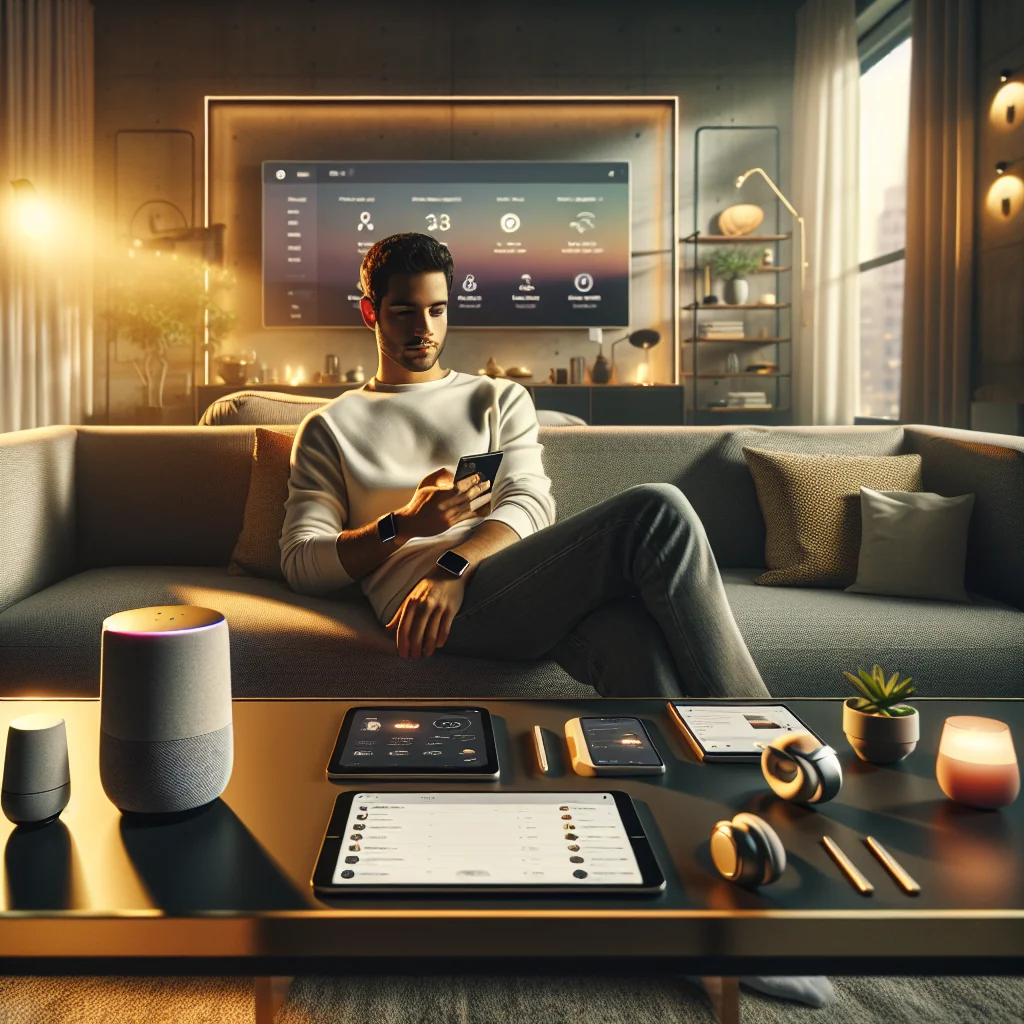

Lifestyle tech is the layer of technology that quietly shapes how you live day to day.
From smartwatches to smart lights, lifestyle tech affects how you wake up, move, work, relax, and sleep.
Understanding this trend helps you choose tools that support your habits instead of distracting you.
This guide explains what lifestyle tech means, shows real examples, and helps you think about balance.
The goal is simple: use technology to support your lifestyle, not let technology become your lifestyle.
What Is Lifestyle Tech? A Clear Definition
Lifestyle tech is any technology that blends into daily life and shapes your habits, routines, and choices.
The focus is less on pure function and more on how the product fits your identity and daily rhythm.
A washing machine is basic home tech.
A Wi‑Fi connected washer that you start from your phone and track in an app is lifestyle tech.
The second one changes how you plan your time and how you feel about the chore.
Lifestyle tech usually shares three traits: constant presence, personal data, and emotional appeal.
These tools sit close to your body or your living space, collect signals about you, and often feel like part of your style.
Key Types of Lifestyle Tech You See Every Day
Lifestyle technology shows up in many categories, from health to home to entertainment.
Below are the main types you are likely to use or see around you.
- Wearable tech: smartwatches, fitness bands, smart rings, AR glasses.
- Smart home devices: smart speakers, lights, thermostats, plugs, locks, cameras.
- Health and wellness tech: sleep trackers, meditation apps, connected scales, posture sensors.
- Personal mobility tech: e‑bikes, e‑scooters, smart helmets, GPS bike computers.
- Work and productivity tech: digital planners, focus apps, ergonomic gadgets, smart desks.
- Entertainment and social tech: streaming devices, gaming consoles, VR headsets, social apps.
- Home and lifestyle services: food delivery, smart grocery lists, subscription boxes managed by apps.
Many products sit in more than one bucket.
A smartwatch is wearable tech, but also health tech, productivity tech, and sometimes a payment device.
This overlap is part of what makes lifestyle tech so powerful and so hard to switch off from.
How Lifestyle Tech Shapes Your Daily Routine
Lifestyle tech affects your day in small steps that add up.
From the first alarm to the last screen at night, technology nudges your choices.
Morning: From Alarm to First Steps
Many days start with a phone alarm or a smart light that simulates sunrise.
A smartwatch may show sleep quality and suggest an ideal wake‑up window.
After that, apps suggest a workout, offer a guided stretch, or present a curated news feed.
Coffee makers, heaters, and speakers may already be running because a smart routine triggered them.
Daytime: Work, Movement, and Micro‑Breaks
During the day, lifestyle tech tracks steps, posture, and focus time.
Devices buzz when you sit too long or scroll too much.
Smart desks adjust height by schedule.
Noise‑canceling headphones and focus apps block distractions.
Digital calendars blend work and personal events into one time grid.
Evening: Relaxation, Home Control, and Sleep
In the evening, entertainment tech takes over.
Streaming platforms suggest what to watch next based on your history.
Smart lights dim by routine, smart locks auto‑lock, and thermostats shift to night mode.
Sleep apps suggest wind‑down routines, while wearables track heart rate and breathing.
These tools can support healthy habits.
They can also lead to long screen time, constant alerts, and sleep delays if you do not set boundaries.
The Benefits of Lifestyle Tech When Used Well
Lifestyle tech can improve comfort, health, and time management when you use it with clear goals.
The value comes from small gains that repeat every day.
Many people enjoy better awareness of their bodies thanks to wearables.
Step counts, heart rate trends, and sleep patterns give clues about stress and rest.
Smart home devices can cut wasted energy and reduce small daily frictions.
Another benefit is personalization.
Playlists, news feeds, and workout plans adapt to your taste and schedule.
Done well, this saves time and lowers decision fatigue instead of adding more choices.
The Risks: When Lifestyle Tech Starts to Own Your Lifestyle
The same features that make lifestyle tech helpful can also create problems.
Constant tracking and feedback can raise stress, reduce privacy, or push overuse.
Many people feel pressure to “close their rings” or hit daily goals even when tired or unwell.
Others feel watched in their own home by cameras, microphones, and sensors.
Data is another concern.
Lifestyle tech often collects sensitive health and location data.
If companies share or leak that data, your personal life becomes exposed in ways you did not plan.
How to Choose Lifestyle Tech That Actually Fits You
Before buying any new lifestyle tech, ask how the device will change your habits.
A simple framework can help you decide whether a gadget adds value or clutter.
Think about three questions: What problem does this solve?
What habit will this change? What data will this collect and share?
If you cannot answer those clearly, pause.
You might be reacting to hype or design instead of your real needs.
The short table below compares common lifestyle tech areas and the main trade‑offs to weigh.
Use it as a quick scan before you add a new device to your home or body.
Typical lifestyle tech categories and trade‑offs
| Category | Main Benefit | Key Risk |
|---|---|---|
| Wearables | Better health awareness and daily habit tracking | Over‑focus on numbers and sensitive health data exposure |
| Smart home | Comfort, energy savings, and safer access control | Always‑on sensors and cameras inside private spaces |
| Productivity tools | More structure, reminders, and reduced mental load | Blurred lines between work and personal time |
| Entertainment tech | Easy access to shows, games, and social contact | Long screen hours and fragmented attention |
| Mobility devices | Faster, easier short trips and outdoor activity | Location tracking and device theft or misuse |
Seeing the benefits and risks side by side makes trade‑offs clearer.
You can then choose devices that match your values instead of chasing every new feature.
Practical Checklist for Healthy Lifestyle Tech Use
You can keep lifestyle tech helpful and low‑stress by following a few simple practices.
Use this checklist as a quick mental guide whenever you add or adjust devices.
- Set one clear goal for each device (sleep, focus, movement, comfort, safety).
- Turn off non‑essential notifications, especially at night and during work.
- Create at least one tech‑free zone at home (for example, bedroom or dining table).
- Review app permissions and turn off location or microphone where possible.
- Use “do not disturb” or focus modes during deep work or family time.
- Check data dashboards weekly, not hourly, to avoid obsession with numbers.
- Audit devices every few months and unplug what you rarely use.
- Keep at least one analog habit: a paper notebook, physical book, or offline hobby.
These small rules protect your attention and privacy without forcing you to live offline.
The aim is control and choice, not rejection of technology.
Step‑by‑Step: Setting Up a New Lifestyle Tech Device Intentionally
The way you set up a new gadget often decides whether it helps or distracts you.
Follow this ordered list the next time you bring lifestyle tech into your routine.
- Write down the single main goal for the device in one short sentence.
- Disable all optional notifications, then add back only the few you really need.
- Review privacy settings, turning off location, microphones, and sharing where you can.
- Set simple time limits or quiet hours so the device rests when you do.
- Connect the device to one daily habit, such as a morning walk or wind‑down.
- Use the device for a trial period, then review whether it supports your goal.
- Adjust settings or remove the device if it adds stress, clutter, or distraction.
This step‑by‑step process slows the rush to “set and forget.”
You stay in charge of how the device enters your life and what role it plays.
Examples of Lifestyle Tech Across Health, Home, and Leisure
To make the idea of lifestyle tech concrete, here are common examples and how they shape behavior.
You may already use several of these without thinking of them as lifestyle technology.
In health, fitness trackers and smart rings encourage daily movement and sleep routines.
Meditation apps introduce short breathing breaks into busy days.
Smart scales show trends over time instead of single numbers.
At home, smart speakers control music, lights, and questions by voice.
Smart plugs turn older devices into connected ones.
Robot vacuums clean on schedule and change how often you think about housework.
For leisure, streaming sticks and game consoles shape how you relax and socialize.
Social platforms and messaging apps blend public and private life, often through your phone.
VR headsets and AR filters change how you see games, workouts, and even shopping.
Future Trends in Lifestyle Tech to Watch
Lifestyle tech is moving toward more invisible, context‑aware tools.
Devices are shrinking, blending into clothing, furniture, and even walls.
Expect more passive sensing, where devices read signals like movement or temperature without direct input.
Homes and wearables will adjust light, sound, and climate based on patterns.
At the same time, pressure for better privacy controls is rising.
Many people now expect clear data settings, on‑device processing, and the option to stay offline.
The most trusted lifestyle tech brands will likely be those that respect limits.
Using Lifestyle Tech Intentionally
Lifestyle tech can make daily life smoother, healthier, and more enjoyable when used with intention.
The key is to treat each device as a tool in service of your values and routines.
Before you bring new technology into your life, ask what habit you want to support.
Start small, keep control of your data, and review your setup often.
Technology will keep changing, but your attention, time, and health stay finite.
Let lifestyle tech fit your life, not the other way around.